
The Eternal Dialogue of Narada Ji and Vedavyasa Ji: Knowledge, Love, and the Path to Supreme Fulfillment
A Dialogue Beyond Time
The dialogue between Devarshi Narada and Vedavyasa is not merely a mythological exchange; it is a profound spiritual teaching that transcends eras. This conversation reveals a timeless truth: knowledge is necessary to understand the Supreme, but love is the true power that attracts the Divine. This article presents the essence of that dialogue, inviting readers to absorb its wisdom deeply and, if possible, to experience the full discourse through the original video.
Knowledge and Love: Two Wings of Spiritual Ascent
Narada explains to Vyasa that intellectual knowledge alone cannot grant spiritual fulfillment. Knowledge helps one recognize the Divine, but it is love (bhakti) that draws the Divine close. Without love, knowledge remains dry, vulnerable to illusion (maya), ego, and desire. Even the most learned soul can fall if devotion is absent. History and scripture are filled with examples of great scholars who stumbled because their hearts lacked complete surrender.
Divine Grace: The Source of True Power
The dialogue emphasizes that grace flows where love flows. Knowledge may attract divine attention, but only love transforms the soul. When love for the Supreme is incomplete, inner power diminishes, and vices find an entry. Narada highlights how souls across lifetimes lose strength due to pride, desire, or attachment—even after possessing immense wisdom.
Narada Muni: Misunderstood Messenger of God
Narada is often misunderstood as a troublemaker who instigates conflicts. In truth, his role is exactly the opposite. Wherever Narada goes, God becomes the center. He brings hidden truths to the surface so souls may awaken. Those who accuse him fail to see that every encounter with Narada ultimately leads beings closer to the Divine. Scriptures even describe Narada as the “mind of God”, always vibrating with divine remembrance and devotion.
Narada’s Birth and His Stand for the Supreme
According to the Brahma Vaivarta Purana, Narada was born from the throat of Brahma, making him Brahma’s mental son. When Brahma requested Narada to assist in creation, Narada refused—not out of arrogance, but out of realization. He declared that serving creation without devotion to the Supreme was meaningless. This refusal triggered curses and counter-curses, revealing a deep truth: even divine beings are bound by cosmic law when ego enters.
Curses, Falls, and Inner Purification
Due to curses, Narada took births as a Gandharva and later even as a Shudra. These episodes illustrate a vital lesson: Knowledge without humility breeds downfall. Yet, Narada’s greatest strength was his unwavering prayer—that in every birth, devotion to God should never leave him. This prayer protected his soul through every fall.
Vedavyasa’s Crisis After Mahabharata
After composing the monumental Mahabharata, Vedavyasa felt an inexplicable emptiness. Despite writing the Vedas, Puranas, and the Mahabharata—texts that encompass the entire world—his heart was restless. When Narada arrived and asked the reason, Vyasa confessed: “I have achieved everything, yet I am not fulfilled.”
Narada’s Profound Advice to Vyasa
Narada revealed the core truth:
Vyasa had expanded the intellect of humanity
But he had not yet satisfied the heart
The Mahabharata revolves around conflict; God is present, but not at the emotional center. Narada advised Vyasa to compose a scripture where love, devotion, and the glory of God would be central, not secondary. Thus arose the inspiration for the Bhagavata Purana—a scripture where bhakti is the soul.
Narada’s Past Life: The Power of Devotion
Narada narrates his own previous birth as the son of a maidservant. Through humble service to saints and consuming their remnants (prasada), his heart became purified. He received a mantra, practiced devotion intensely, and though he did not receive God’s vision in that life, a divine voice assured him: “In your next birth, you shall see Me.” The reason? Residual desires still remained. This teaches that desirelessness is essential for divine vision, and devotion is the boat that carries the soul across the ocean of the world.
Shukadev: Birth of Pure Renunciation
Concerned about who would propagate the Bhagavata Purana, Vyasa prayed to Shiva. As a result, Shukadev was born—an embodiment of pure renunciation. Shukadev remained in his mother’s womb for 16 years, fully absorbed in Brahman. Upon birth, he renounced worldly ties, teaching Vyasa that: “The true father is the Supreme Soul; all worldly relations are temporary.”
Bhagavata Purana: The Scripture of Complete Life
The Bhagavata Purana uniquely integrates the wisdom of all major scriptures:
Mahabharata – Art of Living (Dharma & relationships)
Bhagavad Gita – Art of Doing (Karma Yoga)
Ramayana – Ideal Living
Bhagavata Purana – Art of Dying and Eternal Living through Bhakti
It teaches restraint, satisfaction, sensitivity, dedication, and surrender—anchored in love for God.
Conclusion: Knowledge Blossoms Only Through Love
The dialogue between Narada and Vedavyasa delivers a single, resounding truth: Without love, knowledge remains incomplete. True peace, fulfillment, and liberation arise only when devotion becomes the foundation of wisdom. Like trees that give fruit even when stones are thrown, saints and seekers must continue sharing divine knowledge selflessly. May this timeless dialogue inspire inner transformation, devotion, and Paramshanti (supreme peace) within every soul.
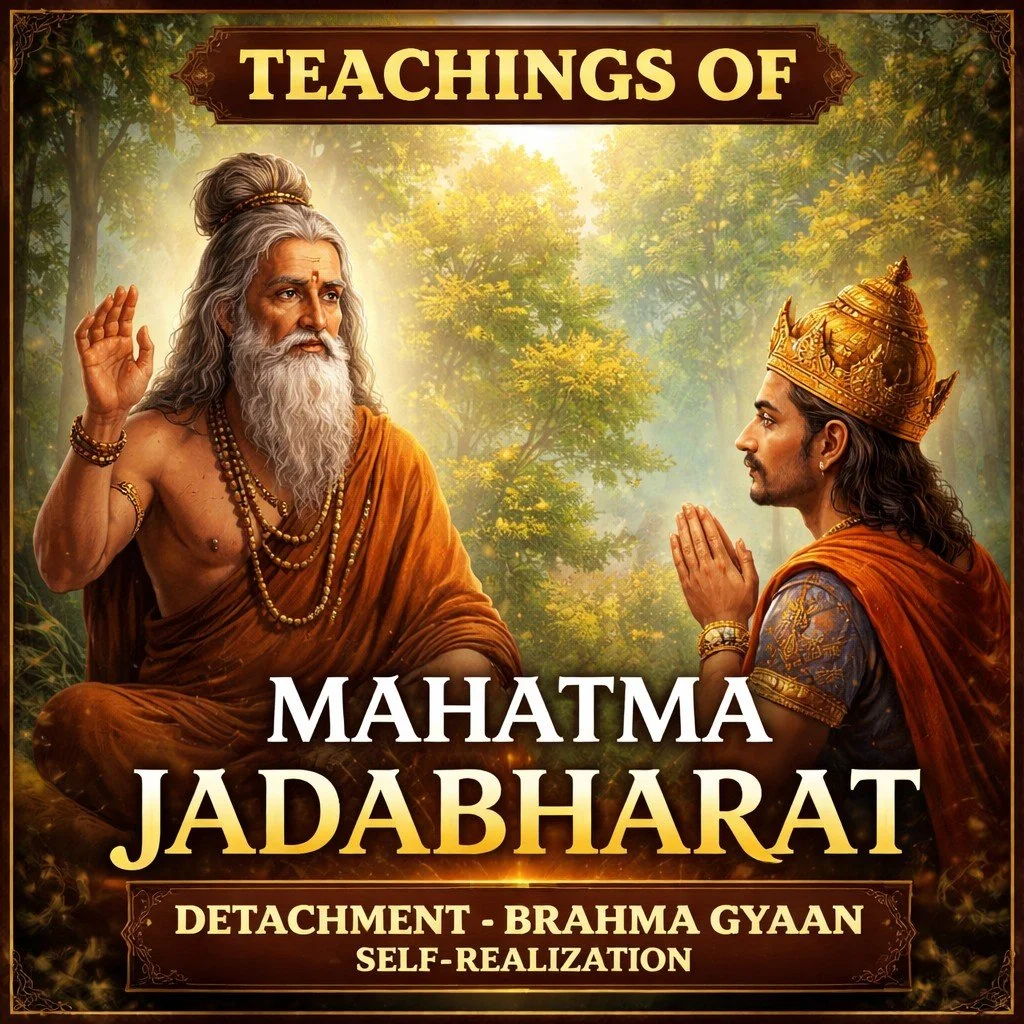

Explore the profound dialogue between Narada and Vedavyasa revealing why love surpasses knowledge, how devotion attracts divine grace, and how the Bhagavata Purana emerged as the ultimate scripture of bhakti, transformation, and supreme peace.