
Stories of King Yayati, Begging Bowl & Crow -Swan: lessons on Desire, Greed, Fear and God’s Name
Knowledge Hidden in Stories
Indian scriptures do not merely narrate stories; they encode knowledge of the soul, desire, lineage, and liberation. What appear as simple tales are, in truth, profound teachings meant to awaken human consciousness. The following discourse weaves together several such stories—from King Yayati to the empty begging bowl, the swan and the crow, and the power of God’s name—to reveal a single timeless truth: desire never ends, but peace begins when desire is transcended.
At the heart of this teaching lies the vibration of Paramshanti (supreme peace).
Guru Vashistha and the Wisdom of Lineage
In the Ramcharitmanas, Guru Vashistha advises Bharat that one who follows the wisdom of their lineage and obeys divine principles does not incur sin. This statement is not merely social instruction—it points toward the spiritual responsibility carried through generations.
The Vedas and Puranas describe ancient lineages from which vast civilizations emerged. Just as the Bible speaks of Jacob and his twelve sons, Indian scriptures speak of ancestral travelers whose descendants spread across regions now known as India, Afghanistan, Pakistan, Bangladesh, Burma, and Southeast Asia. These narratives remind us that human history is deeply intertwined with spiritual evolution.
King Yayati: A Life of Pleasure Without Fulfillment
King Yayati stands as one of the most powerful symbols of human desire. Despite immense wealth, a vast kingdom, and a hundred queens, he remained dissatisfied. Even after living hundreds of years, his hunger for pleasure did not diminish.
When death approached, Yayati pleaded with Yama, the lord of death, for more time. Yama granted him an extension—on one condition: Yayati must exchange his old age with the youth of one of his sons.
The elder sons refused, unwilling to sacrifice their youth.
The youngest son, Puru, accepted without hesitation.
Puru’s words reveal rare wisdom:
“If your desires were not fulfilled even after such a long life, how could mine ever be fulfilled?”
Through repeated exchanges, Yayati lived for a thousand years, indulging endlessly. Yet, at the end of this prolonged life, he realized a devastating truth:
No desire can ever be completely fulfilled.
This realization led him to renounce worldly pleasures and embrace detachment.
The Core Teaching: Desire Is a Bottomless Vessel
The story of Yayati teaches a universal principle:
Desire does not end with fulfillment.
Pleasure multiplies craving.
The body, mind, and senses bind the soul.
True life begins only when one transcends attachment to:
The body
The mind
Desire
A pure life, free from cravings, is compared to flawless gold—this alone leads to moksha (liberation).
The Empty Begging Bowl: Why the Heart Never Fills
Another powerful story tells of a sage who asked an emperor to fill his begging bowl with gold. No matter how much gold was poured in, the bowl remained empty.
The sage revealed:
“This bowl is made from the human heart.”
The message is unmistakable:
The heart is not meant for wealth or status.
The more one accumulates, the poorer one becomes spiritually.
The heart is designed only for the Divine.
True peace arises when one resolves:
“O God, I desire nothing except You.”
The Swan and the Crow: Recognizing Human Nature
The story of the two Brahmins and the lion guarded first by a swan and later by a crow teaches moral discernment.
The swan symbolizes compassion, wisdom, and goodwill.
The crow symbolizes jealousy, cruelty, and selfish intent.
Those who feel sorrow upon seeing another’s suffering possess swan-nature.
Those who feel sorrow upon seeing another’s happiness possess crow-nature.
Spiritual welfare lies in:
Avoiding crow-nature people
Associating with swan-nature souls
This is the essence of Vasudhaiva Kutumbakam—the world as one family.
The Power of God’s Name in Kali Yuga
In the age of Kali, devotion weakens—but the name of God becomes the bridge to liberation.
A child with no faith uttered God’s name once, unintentionally, during fear. After death, even Yama could not decide his fate. Brahma and Shiva remained silent. Finally, Vishnu declared:
“One who has taken the name of Ram even once shall receive divine vision.”
The teaching is clear:
God’s name does not function through bargaining.
Even a single sincere remembrance carries infinite merit.
Devotion is not transactional—it is surrender.
Action Without Expectation: The Gita’s Essence
True spirituality demands:
Action without expectation
Service without demand
Faith without calculation
One must never say:
“God, I did this—now give me that.”
Instead, all actions must be offered for world welfare, without price or condition.
A Call for Paramshanti (Supreme Peace)
The world today is undergoing rapid transformation. Just as unseen viruses changed human behavior, unseen spiritual truths are awakening souls. Scriptures were never stories—they were warnings, maps, and guides.
The final resolve of this discourse is collective:
Spread Paramshanti (supreme peace)
Spread supreme light
Awaken divine consciousness
Serve all beings without expectation
When even one soul radiates supreme peace, the vibration spreads—just as one sun illuminates the entire world.
Conclusion
The stories of King Yayati, the empty bowl, the swan and the crow, and the power of God’s name all point to one eternal truth: Desire binds. Detachment liberates. Remembrance transforms.May every soul awaken to this wisdom and become a carrier of Paramshanti (supreme peace) across the Earth and beyond.
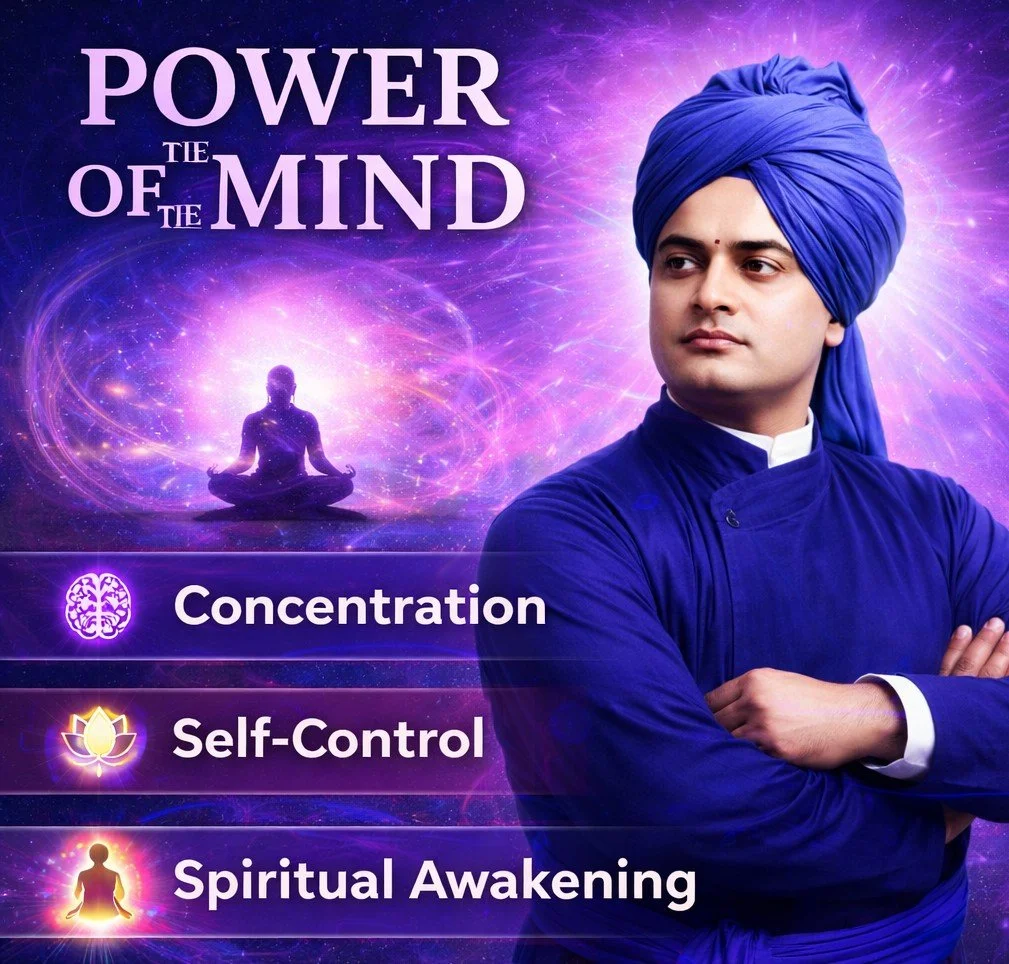


Indian scriptures do not merely narrate stories; they encode knowledge of the soul, desire, lineage, and liberation. What appear as simple tales are, in truth, profound teachings meant to awaken human consciousness. The following discourse weaves together several such stories—from King Yayati, the empty begging bowl, the swan and the crow, and the power of God’s name—to reveal a single timeless truth: desire never ends, but peace begins when desire is transcended.