
The Power of the Mind: Awakening Inner Strength Through Knowledge and Self-Realization
Introduction: Recognizing the Hidden Power Within
The human mind is the most powerful instrument bestowed upon a soul. Those who recognize and awaken this inner power undergo a profound transformation in their lives. Explores how the mind, intellect, and inner strength determine our ability to face life’s challenges. This discussion is especially important for individuals struggling with low self-confidence, fear, anxiety, and emotional instability. By understanding the nature of the mind and strengthening the intellect through knowledge, one can move from weakness to stability, from fear to fearlessness, and from confusion to clarity.
Identifying Inner Weaknesses and Mental Bondages
Within every individual lie hidden habits, karmic patterns, and belief systems that silently weaken inner power. These inner flaws destroy self-confidence, increase ignorance, and reduce the capacity for true knowledge.
The mind often binds itself through self-created rules:
“I can survive only if circumstances remain favorable.”
“I cannot tolerate loss or pain.”
“If this person leaves, I will collapse.”
Such beliefs are neither rational nor true. They form mental cages that imprison the soul. When life presents adversity, these cages collapse, and the mind begins to panic. True strength begins with self-observation—identifying these inner errors and understanding how they sabotage inner power.
Awakening Inner Power and Mental Stability
Those who recognize their inner power remain calm and composed, regardless of external circumstances. Life’s ups and downs are as natural as changing weather—joy and sorrow, gain and loss, success and failure are inevitable. Some individuals panic when adversity strikes, while others remain stable. The difference lies not in external support, but in inner awareness. Every human being is equally endowed with the power to face challenges, but only those who recognize it can access it. Knowledge awakens this power. When the mind is filled with wisdom, it becomes tranquil, balanced, and fearless.
Knowledge Versus Devotion: The Path of Wisdom
Spirituality is often misunderstood as mere emotional devotion. While devotion has value, devotion without knowledge can lead to confusion and disappointment.
Knowledge is the light that:
Transforms thinking patterns
Alters karmic reactions
Strengthens discernment (Vivek)
Stabilizes the mind
Devotion without wisdom is like walking in darkness with emotion alone. Knowledge provides direction. This is why the scriptures place knowledge above blind belief. Even divine incarnations and great souls faced immense hardships. Spiritual realization does not eliminate karmic consequences—it enables one to face them with strength and composure.
Understanding Karma and Life’s Inevitable Challenges
No religion, belief, or denial of God can erase the bondage of past actions. Karma operates universally. The difference between an ignorant person and a knowledgeable one is not the absence of suffering, but the quality of experience. Knowledge allows one to pass through hardships comfortably, like traveling on a rough road in a luxury vehicle rather than an unstable one. Life’s problems are not punishments; they are opportunities for growth and purification.
The Role of Intellect in Controlling the Mind
The Bhagavad Gita explains:
The senses are powerful
The mind is stronger than the senses
The intellect is stronger than the mind
True morale is not emotional excitement—it is intellectual strength. When intellect and discernment are awakened, the mind naturally comes under control. Blindly expecting God to intervene in every small matter is ignorance. God provides intelligence, not escapism. Wisdom teaches us to act responsibly, using intellect aligned with universal laws.
Transforming Negative Emotions into Strength
Fear, anger, anxiety, jealousy, and attachment weaken the soul. Love, service, devotion, fearlessness, and compassion strengthen it.
The key practice is daily introspection:
What emotions dominate my day?
Which emotions empower me?
Which emotions drain my strength?
Negative emotions must be replaced immediately—not suppressed. Shift attention toward goodness, remembrance, and higher purpose. No rituals are required—only awareness and conscious redirection.
Detachment: Living Like a Saint Within the World
Detachment does not mean abandoning family or responsibilities. It means inner freedom from excessive attachment, desires, and dependency. True detachment arises naturally through knowledge and love for the Divine—not through external appearances, clothing, or rituals. One can live in society while maintaining the mindset of a saint. Nothing in this world can be taken beyond death—only the soul’s earnings of knowledge, virtues, and purity remain.
Service Begins with Self-Strength
One can help others only after becoming strong within. Just as oxygen masks must be worn before helping others during a flight emergency, spiritual service requires inner stability first.
Those with unstable minds should not advise others. First become capable through knowledge, meditation, and self-discipline—then serve the world. Weak willpower is more destructive than external difficulties. Fear alone destroys more lives than circumstances ever could.
Facing Death, Loss, and Shock with Wisdom
This world is a realm of mortality. Sudden accidents, loss of loved ones, and death shake the mind deeply. Without knowledge, the soul collapses under shock. Wisdom teaches acceptance of divine order. When knowledge reaches the heart, even grief transforms into understanding. A few truthful words spoken at the right time can bring peace to a shattered soul.
Living with Purpose and World Welfare
Every soul is born with a purpose. Fear prevents many from fulfilling it. When one realizes, “I was born for world welfare,” inner power multiplies. Actions performed with this awareness generate virtues automatically. Ego dissolves, arrogance disappears, and humility strengthens the intellect.
True prayer is not asking God to change circumstances, but asking for:
Strength
Wisdom
Purity
Fearlessness
Conclusion: Becoming a Lighthouse of Peace
As knowledge deepens, the soul fills with divine light. The mind stabilizes, intellect sharpens, and fear dissolves. Inner peace becomes natural. Such souls become lighthouses—radiating peace, strength, and clarity to the world. Through continuous self-transformation, meditation, service, and remembrance, one moves steadily toward ultimate inner peace and universal welfare. This is not merely a philosophy—it is a way of living, awakening, and transforming the world from within.
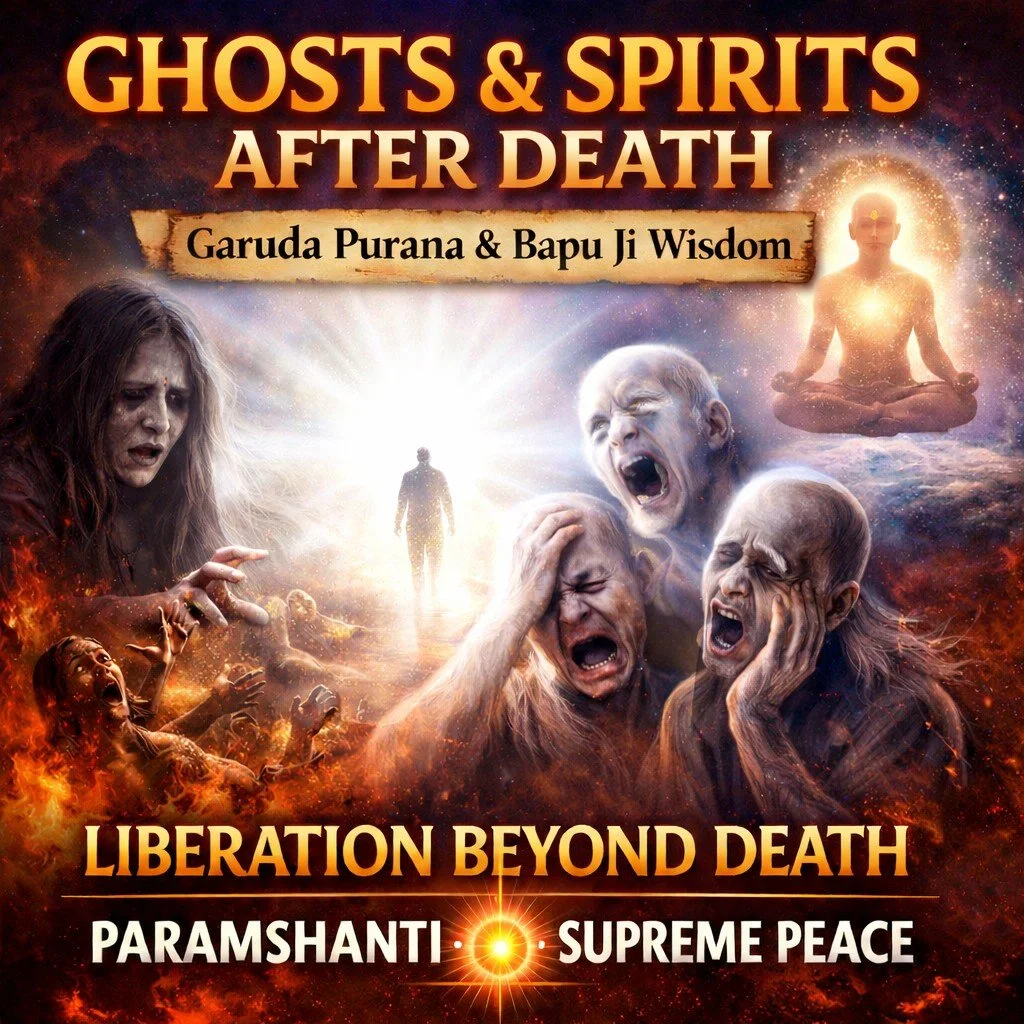
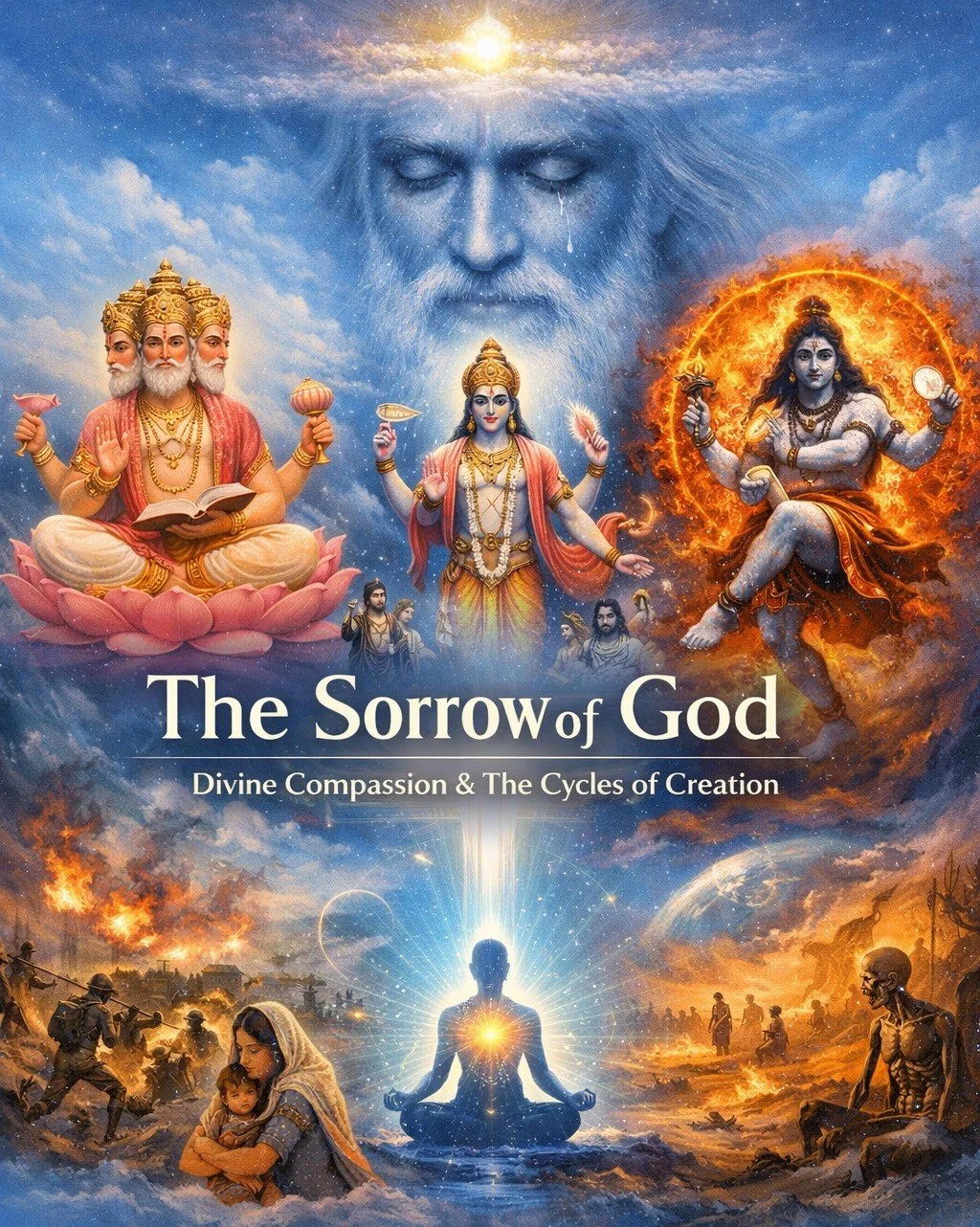

Explore the deep spiritual cosmology of planetary souls, alien interference, karmic zones, and cosmic wars based on Bapuji Dasharathbhai Patel’s knowledge. Understand how Paramshanti (supreme peace) can restore universal balance and protect human consciousness from artificial and dark energies.