
The Importance of Donation: A Journey of Karma, Consciousness, and True Giving
The Importance of Donation: A Journey of Karma, Consciousness, and True Giving
No matter which religion one belongs to, the real measure of a human being is not their religious label but their actions. At the end of life, only karma is accounted for—not caste, not community, not rituals. Our deeds, thoughts, intentions, and the energy we carry within us accompany us beyond this lifetime. To become a good human being is the beginning of spiritual evolution. Knowledge alone is not enough; living that knowledge is essential. Many know what is right but do not practice it. True wisdom is in walking the path, not merely understanding it.
Worry: The Prison of the Mind
The greatest jail in the world is worry. When a person becomes worried, their intellect becomes imprisoned. Their senses lose clarity, their taste disappears, their awareness weakens. As Kabir beautifully said, “Chinta chita samaan”—worry eats the heart like a witch.
· Bhagavan teaches:
Offer your worries to God.
This is the highest offering. When you surrender your worries, what you receive in return is clarity, peace, and new thoughts from the divine. Even devotion, meditation, or yoga cannot be experienced fully if the mind is trapped in tension. For even ten minutes, while lighting a lamp or sitting in silence, one must mentally step away from worry. Only then does faith begin to strengthen.
Ego and the Symbol of Parshurama
The story of Parshurama teaches us about ego. “Ram” symbolizes pure consciousness—our true self.
“Parshu” symbolizes the ego—comparison, pride, anger, and possessiveness. When ego attaches to the pure consciousness (Ram), the human becomes Parshuram—one who sees separation, superiority, and individuality.
A person filled with ego says:
I did this.
My work is best.
I am superior.
Such thoughts bind the soul deeper into ignorance. Therefore, letting go of ego is essential for spiritual progress.
Understanding Karma
Good karma does not give luxurious material outcomes.
Good karma brings:
purity of thoughts
peace of mind
association with scriptures
the path toward liberation
Bad karma connects the soul more deeply with the body and material world, leading to destruction of inner peace.
Krishna explains:
· Attachment breeds desire
· Desire breeds anger
· Anger destroys discrimination
· Loss of discrimination leads to one’s downfall
Hence, karma based on goodness, truth, and compassion paves the path toward moksha.
The Six Aspects of True Charity
According to the Mahabharata, the six pillars of donation are:
1. The giver – One who donates with purity.
2. The recipient – A deserving individual.
3. Faith – Donation made with devotion.
4. Righteously earned wealth – No donation should come from wrongdoing.
5. Right time – Auspicious occasions amplify merit.
6. Right place – Holy places or spiritual environments.
Whether the donation is small or large does not matter. What matters is the feeling behind it.
Auspicious times for charity include:
Amavasya, Purnima
Ekadashi
Sankranti
Makar, Ashadha, Vaishakh, Kartik Purnima
Somvati Amavasya
Ashwin Krishna Trayodashi
Vyatipata and Vaidhriti
Anniversaries of parents
Three Causes of the Destruction of Donations
In Kaliyuga, donations lose their merit due to:
1. Regret After Donation : If the giver regrets donating, the donation becomes fruitless.
2. Giving to the Unworthy : A donation given to an immoral, corrupt, or unworthy person becomes demonic and harms both giver and receiver.
3. Donation Without Faith :Donation done with arrogance, harshness, or compulsion is tamasic and yields no spiritual result.
The Absurdity of Wrong Giving
A striking example is when someone leaves wealth to a dog or animal without thinking about the spiritual welfare of humanity or their own soul. Charity should uplift consciousness and serve dharma. If there is no heir, the scriptures say wealth should be donated in the name of God, to temples, trusts, hospitals, schools, or welfare causes. Charity should lead to punya and soul-upliftment, not meaningless attachment.
Higher Forms of Donation Beyond Money
Not all donations require wealth. Some require only heart:
1. Donation of Sweet Words (Vachan-Daan) :A kind word can heal a suffering heart. In Kaliyuga, people are burdened; sweet speech is a powerful charity.
2. Donation of Love (Prem-Daan) :Sharing someone’s sorrow, giving emotional support, and making them feel cared for is divine giving.
3. Donation of Assurance (Abhaya-Daan) : Giving hope to the hopeless, guiding someone away from despair—even from suicidal thoughts—is the greatest service.
4. Donation of Labor (Shram-Daan) : Serving the elderly, caring for animals, cleaning temples or ashrams, planting trees—any physical effort done with humility is a great charity.
5. Donation of Time (Samay-Daan) : Time is the most precious gift. Many souls dedicate years to spiritual service—translating books, spreading knowledge, serving ashrams. These souls create their spiritual fortune.
Time Donation and Vibrations of Supreme Peace
Those who spend time in meditation, chanting, yoga, or spreading paramshanti contribute to the upliftment of the planet. Vibrations of peace travel across the world and help dissolve collective negativity. Books like Life in Multiples being translated into many languages are also a form of time donation that spreads wisdom globally.
Liberation Through Actions and Time
We spend 20–30 years building a worldly career.
But how much time do we spend building our eternal journey?
The time we invest in spirituality helps liberate us from:
· worries
· tension
· karmic cycles
· emotional burdens
· future birth and death
A soul creates its own fortune through continuous service and devotion.
The Power of Mantra and Sacred Practice
Chanting mantras, focusing the mind, and offering worries to God strengthens the mind. Keeping the intellect engaged in divine remembrance prevents the mind from wandering into negativity.
Forgiveness as a Donation
When we forgive someone who has wronged us, we perform Kshama-Daan. Only a person free from anger, ego, and tension can truly forgive.
But forgiveness does not apply to those who become enemies of humanity. As seen with:
· Krishna and Kansa
· Rama and Ravana
· Krishna and Shishupala
When an individual threatens dharma and refuses to change, their destruction becomes dharma itself. Such destruction becomes a purification for the soul.
Conclusion
Donation is not merely giving material wealth. True donation is giving:
· your worry to God
· your time to service
· your labor to humanity
· your love to the suffering
· your forgiveness to the deserving
· your peace to the world
Every act done with faith becomes a step toward liberation
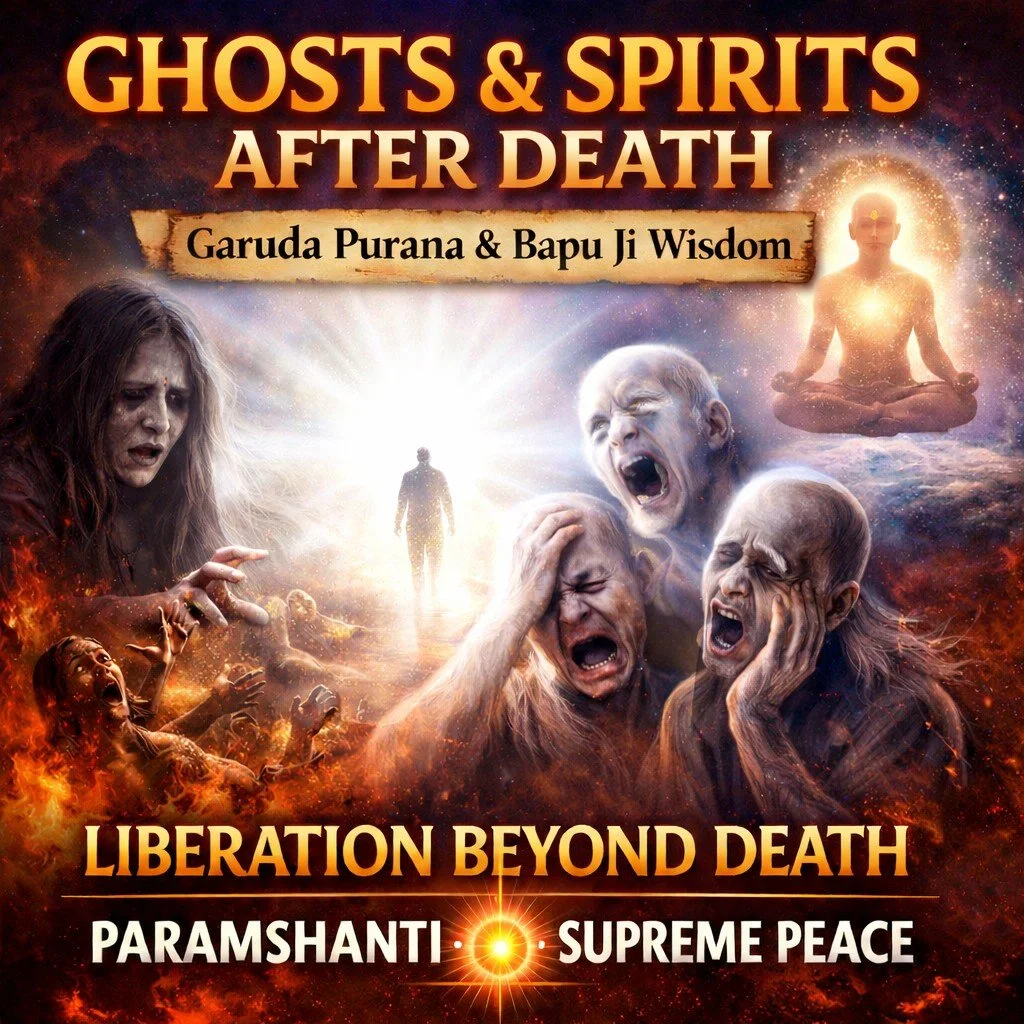
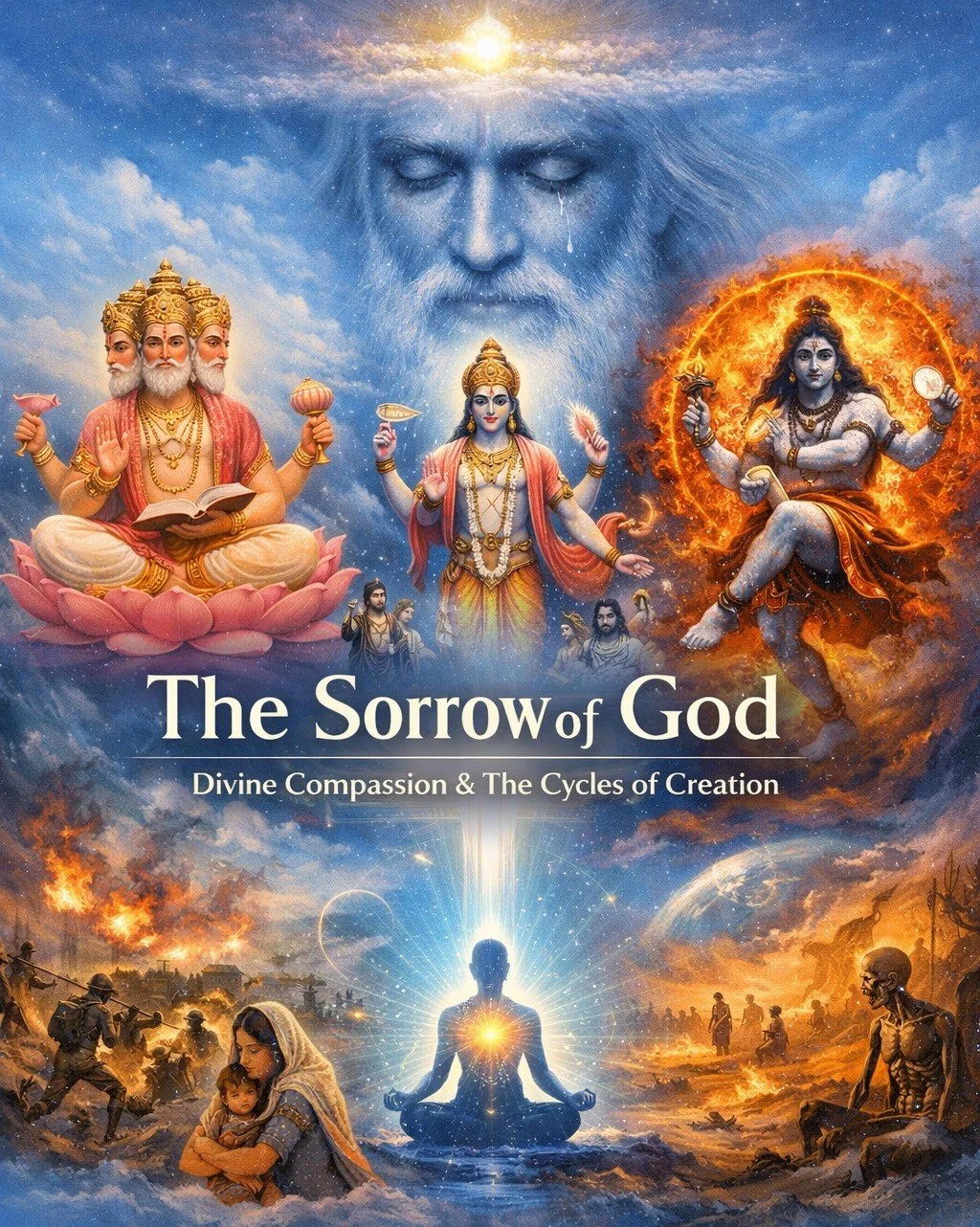

Explore the deep spiritual cosmology of planetary souls, alien interference, karmic zones, and cosmic wars based on Bapuji Dasharathbhai Patel’s knowledge. Understand how Paramshanti (supreme peace) can restore universal balance and protect human consciousness from artificial and dark energies.