
Episode 1329, From Body Consciousness to Soul Consciousness: The Beginning of True Self-Knowledge
Introduction
In spiritual traditions across the world, one of the most profound questions a human being can ask is: “Who am I?” Many seekers struggle with meditation and spiritual practice because they remain deeply identified with the body and mind. They say, “Yoga does not happen… meditation does not settle… concentration does not come.” The real reason behind this difficulty is a lack of understanding about body consciousness (Deha Vritti) and soul consciousness (Atma Vritti).
This article explores a deeply researched spiritual subject: how to overcome body-identification and begin the journey of self-realization (Atma Gyan). Drawing from the wisdom of the Vedas, Upanishads, Bhagavad Gita, Yoga Sutras, and teachings of saints, it explains practical steps to experience the truth: “I am not the body; I am the conscious soul.”
Understanding Body Consciousness (Deha Vritti)
The first step toward spiritual awakening is understanding what Deha Vritti means. Deha Vritti is the belief: “I am this body.” From this false identity arise attachment, ego, desire, anger, fear, and suffering. When a person identifies with the body, they naturally become attached to everything connected with it:
My house, My car, My family, My status. My possessions
This attachment gradually strengthens emotional bondage. The more attachment increases, the more suffering grows. For example, when someone buys a new car, they are extremely protective of it. No one is allowed to touch it. But after several years, the same person no longer cares if others sit in it or drive it. This shows that attachment is created by mental identification. Similarly, identifying with the body creates deep attachment to worldly objects and relationships.
How Body Consciousness Creates Bondage
Body consciousness distances us from our true spiritual identity. When we think we are the body, we become trapped in:
Attachment (Moh)
Ego (Ahankar)
Desire (Kamana)
Anger (Krodh)
Fear (Bhaya)
All worldly conflicts arise from this mistaken identity. A person living only in body consciousness remains entangled in worldly cycles of birth and death. Even if they perform good deeds or service, without self-knowledge they remain bound to worldly existence. In contrast, a person who lives in soul awareness walks the path toward liberation.
Why Ending Body Consciousness Is Necessary
If body consciousness remains strong, spiritual realization cannot occur.
A simple truth emerges from all spiritual scriptures:
Living in body awareness leads to bondage.
Living in soul awareness leads to liberation.
For countless lifetimes, human beings strengthen body-identity through thoughts, actions, and attachments. Therefore, spiritual practice requires consciously weakening this identity.
Methods to Overcome Body Consciousness
The scriptures and saints describe several powerful methods to dissolve body-identification.
1. Constant Soul Remembrance
Regularly remind yourself: “I am not the body. I am the conscious soul.” This affirmation should be practiced throughout the day. One powerful exercise is setting reminders every hour. Each time the reminder appears, pause for a moment and affirm:
I am not the body
I am the soul
I am pure consciousness
Even a few seconds of such awareness gradually transforms the mind. Just like medicine must be taken repeatedly to work, spiritual reminders must be repeated regularly to reshape our inner tendencies.
2. Seeing the Body as an Instrument
The body should be understood as a vehicle, not our true identity. Just as a driver is different from the car he drives, the soul is different from the body it operates. The Bhagavad Gita (Chapter 2, Verse 22) explains this beautifully: Just as a person discards worn-out clothes and puts on new ones, the soul leaves old bodies and enters new ones. This teaching reminds us that the body constantly changes, but the soul remains eternal.
3. Meditation and Silence
Regular meditation gradually dissolves body identity. When a person sits in silence and meditates with the feeling: “I am the soul.” the ego begins to weaken and the mind becomes calm. Even 15 minutes of daily meditation focused on soul awareness can slowly melt body consciousness.
4. Service and Humility
Service is another powerful method to reduce ego. Instead of thinking: “I am doing this.” One should adopt the perspective: “God is performing this action through me.” The Bhagavad Gita teaches the same principle — surrender all actions to the Divine and give up the ego of doership. This approach is known as Karma Sannyas.
5. Satsang and True Knowledge
Body consciousness is born from ignorance. When we listen to spiritual teachings, study scriptures, and spend time with enlightened souls, our understanding begins to change. Gradually, the illusion of body identity starts dissolving.
6. Awareness of Death
Contemplating mortality can also break attachment. Remembering that the body is temporary naturally reduces attachment to it. The Shiva Purana even states: Death is the greatest teacher that destroys body consciousness. When we truly understand the impermanence of the body, attachment weakens automatically.
What the Scriptures Teach About Self-Knowledge
All spiritual scriptures consistently teach the same truth.
The Vedas
The Rig Veda describes two birds sitting on the same tree.
One bird eats the fruit (the individual experiencing life)
The other simply watches (the witnessing soul)
This illustrates the difference between the experiencing mind and the witnessing soul.
The Upanishads
The Upanishads declare the famous Mahavakyas:
Aham Brahmasmi – I am Brahman Tat Tvam Asi – You are That
These teachings completely destroy body identity and reveal the soul’s divine nature.
Bhagavad Gita
The Gita repeatedly emphasizes: You are not the body; you are the eternal soul. The body changes, but the soul never changes. Understanding this truth marks the beginning of self-knowledge.
Yoga Sutras of Patanjali
The Yoga Sutras teach that liberation occurs when one realizes the difference between:
The seer (soul)
The seen (body and mind)
When this distinction becomes clear, freedom becomes possible.
What Is Self-Knowledge (Atma Gyan)?
Self-knowledge begins with a simple realization:
I am not the body
I am not the mind
I am not the intellect
I am pure conscious awareness. When a person directly experiences this truth, they become a self-realized being. The Upanishads say: Knowing the Self is the key to knowing everything. True spiritual knowledge is not external learning but inner realization.
How to Begin the Journey of Self-Realization
The path toward self-knowledge includes several practices:
Self-Inquiry Regularly ask: “Who am I?” This question gradually shifts attention inward.
Meditation
Silence and meditation reveal glimpses of the soul.
Scriptural Study
Reading the Vedas, Upanishads, and Bhagavad Gita deepens spiritual understanding.
Witness Consciousness
Observe thoughts and emotions without identifying with them. Instead of saying: “I am sad.” Recognize: “The mind is experiencing sadness.”
Love for the Divine
A deep loving relationship with God is essential. Without devotion, spiritual knowledge remains intellectual rather than experiential.
Developing Soul Consciousness (Atma Vritti)
Soul consciousness means living with the awareness:
I am the soul
I am pure consciousness
I am eternal and divine
When the mind turns away from external pleasures and moves toward inner peace and awareness, Atma Vritti arises.
Seven Powerful Practices to Strengthen Soul Awareness
Repeated remembrance of the soul
Silence and meditation
Study of spiritual teachings
Reducing ego and attachment
Witnessing life events
Service and compassion
Daily self-reflection before sleep
Through these practices, the mind gradually stabilizes in soul awareness.
The Ultimate Spiritual Realization
All scriptures ultimately point to the same conclusion: When a person realizes their true nature as the soul, divinity naturally manifests within them. The moment you truly recognize: “I am the soul.” The presence of God begins revealing itself inside. This is the real purpose of spiritual practice.
Conclusion
Body consciousness binds the soul to suffering, while soul consciousness leads to peace, freedom, and enlightenment. The journey of self-realization begins with a simple shift in identity: From “I am the body” to “I am the soul.”
Through meditation, self-inquiry, devotion, service, and spiritual knowledge, this awareness gradually deepens. When the mind becomes established in the soul, a person experiences true peace — the supreme state often described in spiritual traditions as Paramshanti (Supreme Peace). This is the path followed by saints, sages, and enlightened masters throughout history. And it remains open to every sincere seeker even today.

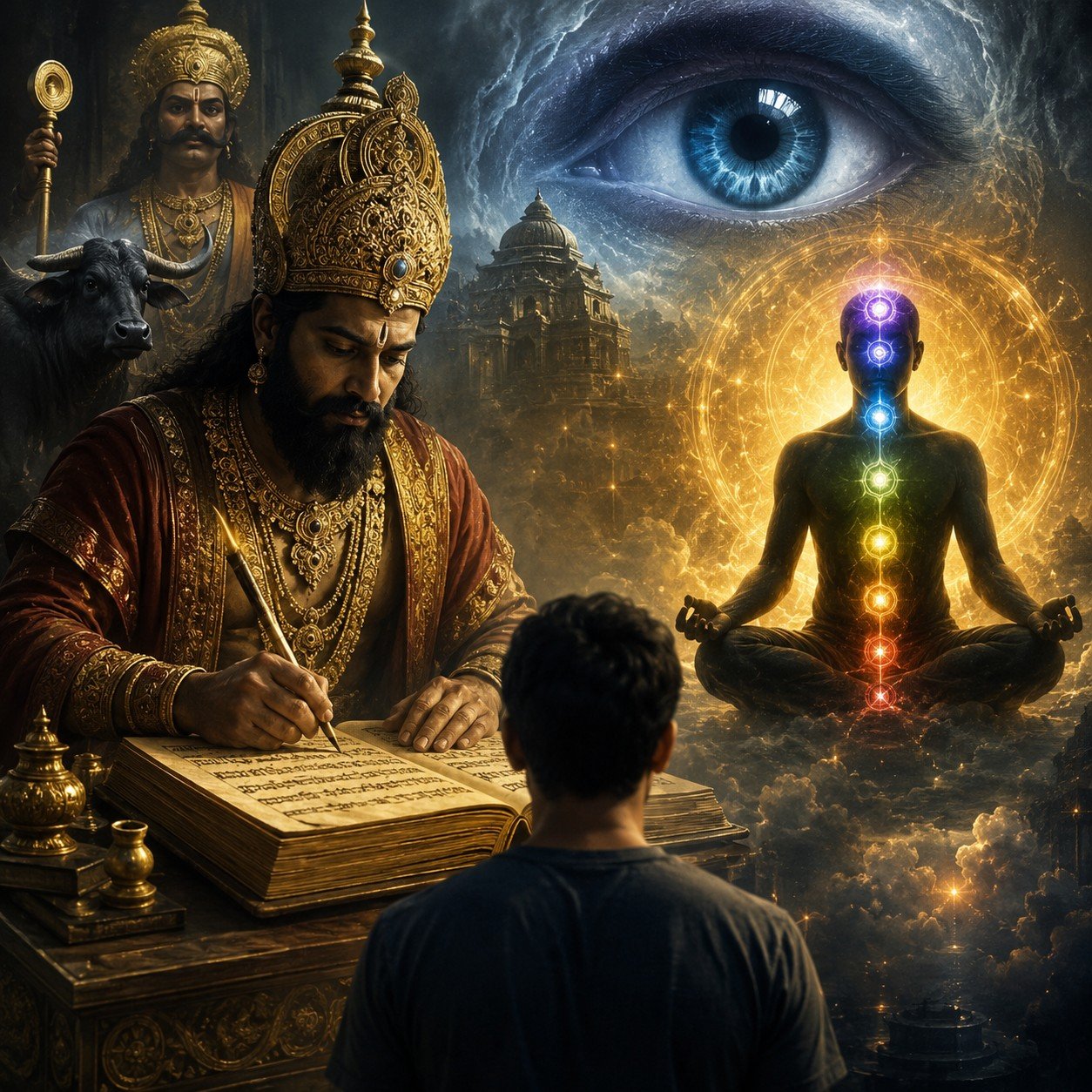

Discover the true meaning of Amrit Vela beyond the early morning hours. Learn the four types of Amrit Vela, the greatness of the Sadguru, Brahma Gyan, the symbolic meaning of Samudra Manthana, the power of the Divine Name, Guru-disciple wisdom, meditation, self-realization, and the path to Supreme Peace through Behad spiritual knowledge.