
2024, Swadharmi and Vidharmi Souls’ Traits(स्वधर्मी आत्मा कौन हैं? स्वधर्मी vs विधर्मी आत्मा का आचरण I विनाशकारी आत्मा & ज्ञानीतू आत्मा के लक्षण)
Today’s spiritual reflection explores a profound question: Who is a self-religious (swadharma) soul, and who is a non-religious or opposite-dharma (vidharmi) soul? Understanding their characteristics, conduct, and inner nature reveals a deeper vision of humanity’s spiritual purpose.
1. Meaning of Swadharma — The Universal Way
In the path of devotion, swadharma is defined as the ability to see the entire world as one family and to work for the welfare of all beings. Practices such as yajna and sacred offerings symbolized this universal responsibility. In earlier times, elevated souls lived not for themselves but for collective upliftment. Their lives were dedicated to harmony, balance, and spiritual progress for the whole world.
2. The Role of Brahmarishis
Ancient spiritual traditions describe the presence of great Brahmarishis — sages who possessed:
Knowledge of Brahman (the ultimate reality)
Understanding of the beginning and middle of creation
Awareness of countless universes
These enlightened beings, symbolically linked with the Saptarishis (seven sages), appeared in different cosmic cycles to guide humanity.
Their defining qualities were:
Complete dedication to world welfare
Total absence of negativity
Perfect spiritual awareness
Even a single negative intention would diminish their spiritual status, transforming them into Rajrishis — wise rulers who still served society but with worldly responsibilities. Examples include sages like Vishwamitra, while great seers such as Agastya and the gurus of Lord Rama exemplified the highest ideals of selfless living.
3. Who Are Vidharmi Souls?
In contrast, vidharmi souls are those who live contrary to spiritual principles. Their lives are driven by selfishness and negative tendencies such as: Lust, Anger, Greed, Attachment, Ego
They may deceive, exploit, or harm others, and they do not embody values worth adopting in life. Where swadharma nurtures harmony, vidharmi tendencies create conflict and imbalance.
4. Swadharma in the Path of Knowledge
In spiritual knowledge, swadharma takes on a deeper meaning. A truly knowledgeable soul understands: “I am the soul, and this body is only an instrument.” Living in soul-consciousness while performing actions in the world is the essence of swadharma. Such souls become karma yogis, acting continuously while remaining internally connected to the Supreme. They do not live for personal gain but for universal good.
5. Living in the Soul Stage
To practice swadharma means:
Remaining aware of one’s soul identity
Remembering the Supreme Source
Acting with purity and balance
Spreading vibrations of peace and joy
Even while living as ordinary humans in the physical world, these souls maintain the inner stage of the Supreme Abode (Paramdham) — a state of deep peace and spiritual stability.
They see everyone with equality and avoid negative thinking, knowing that negative contemplation leads to spiritual decline. Such a soul constantly remembers the Supreme Father,
performs actions, and spreads vibrations of supreme peace, happiness, and bliss.
6. Signs of Swadharma Souls
Swadharma souls can be recognized by their qualities:
Awareness of the larger purpose of life
Commitment to universal service
Dedication of body, mind, time, and resources for good
Constant remembrance of their spiritual duty
They understand their duty as world-benefactor souls.
Though they are few — “a handful” in the entire world — their influence is vast and transformative.
7. Eternal Fortune Through Selfless Action
Actions performed with universal consciousness create everlasting spiritual fortune. Unlike worldly achievements that last for one lifetime, the fortune of swadharma is described as imperishable — extending beyond time and birth. Every thought and breath carries influence in the universe, so elevated souls remain vigilant, ensuring their intentions remain pure.
8. The Role of Swadharma Souls in Challenging Times
Spiritual teachings often describe a future where destructive tendencies may rise. Vidharmi energies may create turmoil and suffering — this is part of the world drama. Yet the duty of swadharma souls is not to be disturbed. Instead, they become lighthouses of peace, helping others experience:
Inner calm
Spiritual strength
Liberation from sorrow
By remaining stable and compassionate, they transform negativity through their presence.
9. Liberation Through Peace
The ultimate role of elevated souls is to help humanity experience:
Mukti (liberation)
Jeevan Mukti (liberation while living)
Through peace, wisdom, and spiritual power, they guide souls beyond suffering toward lasting happiness.
Few but Powerful: Righteous souls are very few — like a handful — but by remaining soul-conscious and performing their duty, they spread vibrations of supreme peace across the world.
10. Conclusion — The Call of the Present Time
The message is clear: As destructive forces increase, the need for swadharma souls becomes even greater. Their task is to remain soul-conscious, connected to the Supreme, and dedicated to the welfare of all. Even a small number of such souls can uplift the collective consciousness of the world. Swadharma is not merely a belief — it is a way of being: living with awareness, compassion, and universal responsibility.
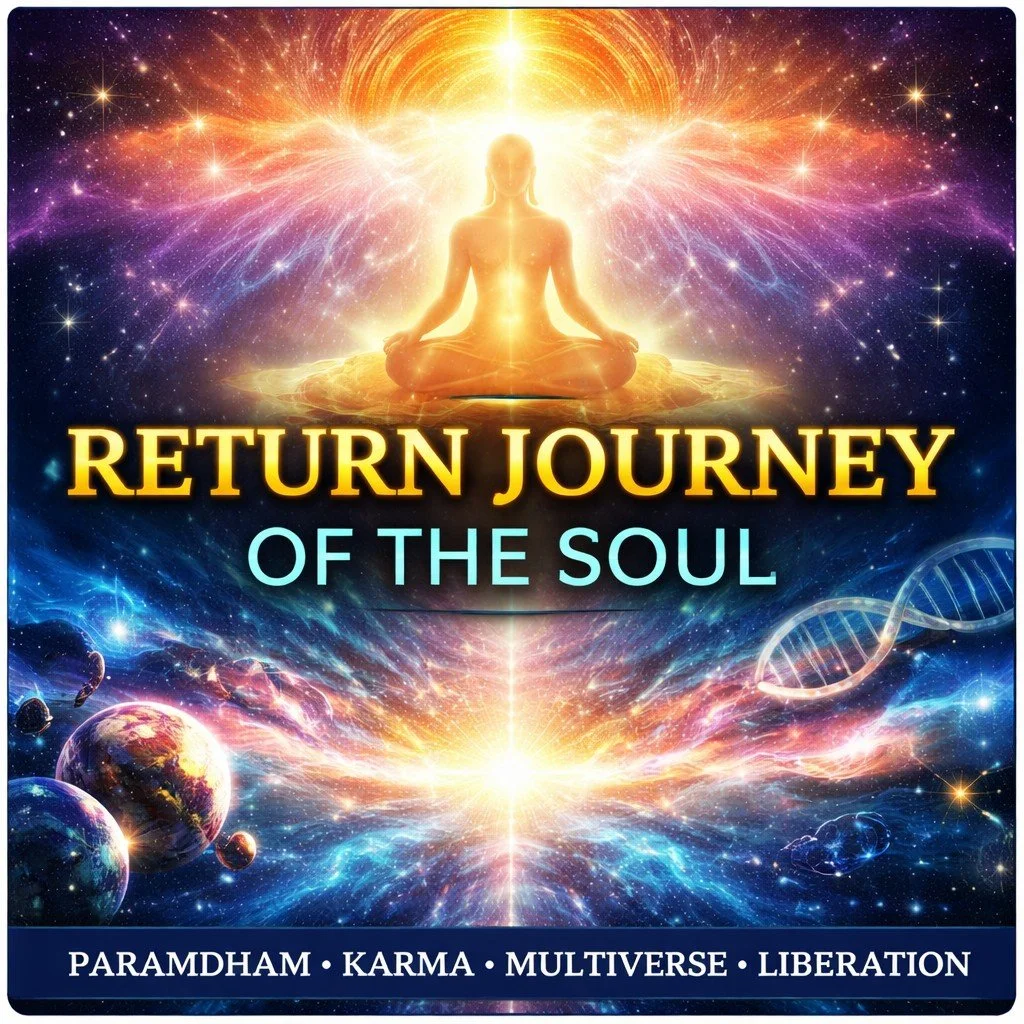
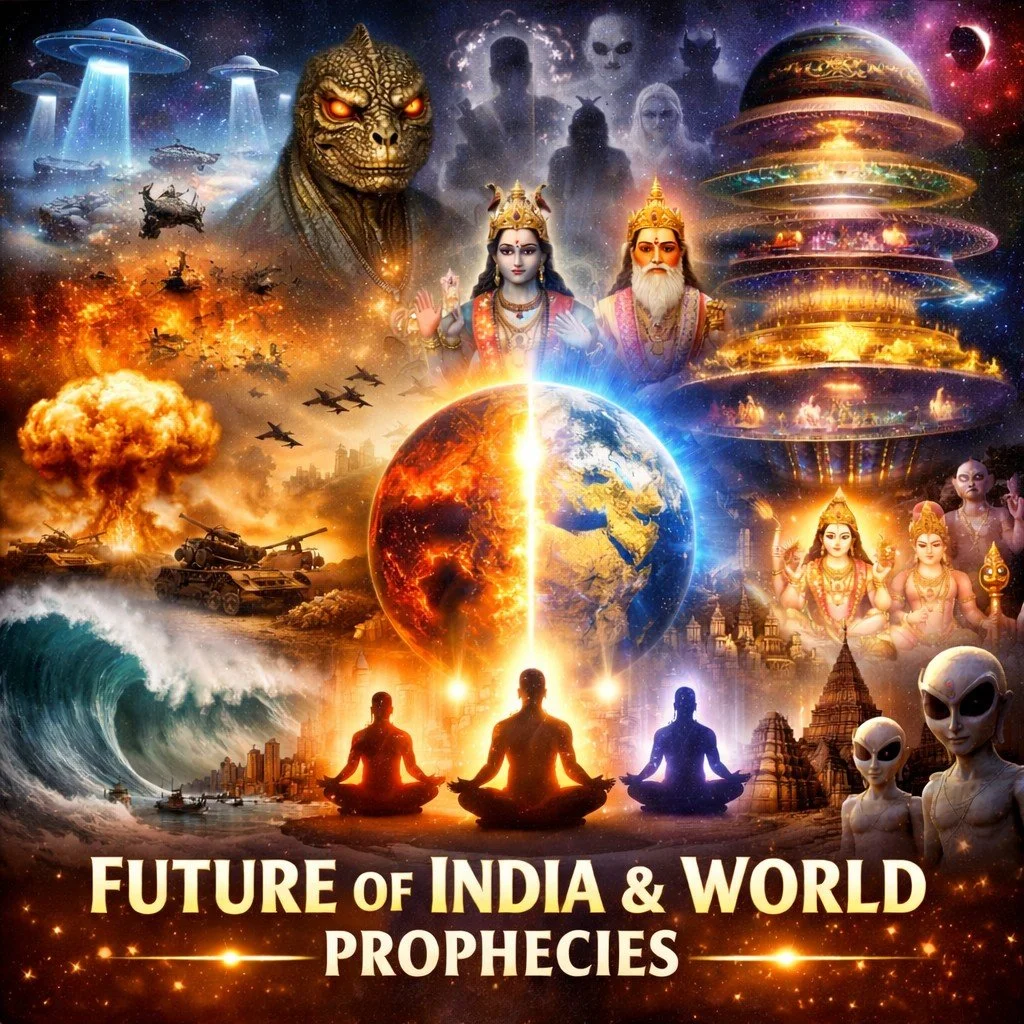

Discover Bapuji's profound spiritual explanation of the history of the universe, from Param Maha Shiva and the creation of souls to Paramdham, celestial dimensions, galaxies, solar systems, Earth, karma, 84 lakh yonis, Mahakaal Pralay, black holes, cosmic time cycles, parallel universes and the infinite multi-universe. Explore the deeper knowledge of Behad Gyan beyond science, mythology and conventional cosmology