
Spiritual Significance of Holi: Burning the Inner Darkness, Awakening the Soul
Holi is not merely a festival of colors, joy, and celebration; it is a deep spiritual reminder given to humanity since ancient Vedic times. Celebrated across Bharat from time immemorial, Holi symbolizes inner purification, soul-awakening, and the destruction of negative tendencies that bind the soul to repeated cycles of birth and suffering. While the outer celebration involves colors, water, and regional traditions—such as cow-dung Holi, tomato Holi, or modern color practices—the true Holi is meant to be played within the soul.
Holi and the Journey of the Soul
From a spiritual perspective, Holi reminds us that we have celebrated countless festivals across innumerable births, yet we continue to forget our true origin—the highest, pure realm of peace and light. Each color we applied, each ritual we performed, and each temple we bowed before carried hope, but without inner awakening, the soul remained burdened.
Holi invites us to pause and reflect:
How many lifetimes have passed?
How many desires, attachments, and egos have we accumulated?
How far have we drifted from our original divine nature?
The festival calls upon us to awaken the soul, not just entertain the senses.
Vedic and Historical Roots of Holi
Spiritually and historically, Holi holds immense significance:
It has been celebrated since the Vedic period.
According to the Hindu calendar, the New Year (Samvat) begins around Holi.
The first human, Manu, is believed to have appeared on Earth on this day.
Kamadeva was reborn, and divine incarnations such as Narasimha manifested to protect devotion and righteousness.
Thus, Holi is a celebration of renewal, rebirth, and divine intervention.
Holika: The Symbol of Desire and Ego
Spiritually, Holika does not merely represent a mythological figure. She symbolizes lust, ego, arrogance, and the illusion of invincibility—that belief which says, “I cannot be destroyed.”
Prahlad represents pure devotion and remembrance of the Divine.
When Holika burns, it signifies:
The destruction of unchecked desires
The end of arrogance and ego
The victory of devotion and knowledge
Holi teaches us that desires can never survive in the fire of true knowledge.
Burning the “Friends” Within
The scriptures and saints speak of “friends” that must be burned on Holi—not external people, but inner enemies:
Lust
Anger
Greed
Attachment
Ego
Jealousy
Hatred
Negative thoughts
These “friends” appear sweet but eventually destroy peace, relationships, wisdom, and even devotion. When they arise, humans can harm loved ones, disrespect teachers, and forget divine values.
True Holi is the day we resolve to burn these friends forever.
The Fire of Knowledge (Brahma Vidya)
Holi urges seekers to light the fire of Brahma Vidya—supreme spiritual knowledge—and burn:
Old memories
Past grudges
Subtle karmic impressions
Mental clutter gathered over lifetimes
Saints say: “Do not play Holi with colors that wash away.
Play Holi with colors of devotion, renunciation, and wisdom—colors that never fade.” To be dyed in such colors is liberation.
Continuous Practice: The Only Way Forward
Just as athletes train daily, spiritual seekers must practice daily:
Listening to spiritual knowledge
Meditation and yoga
Self-checking and self-transformation
Remembrance of the Divine
Without regular practice, wisdom fades, and old habits resurface instantly—sometimes within one second of negligence.
One second of anger can destroy years of effort.
One second of remembrance can liberate lifetimes of bondage.
Divine Awareness: The Inner CCTV
Every thought, emotion, and action is being recorded by the Divine. Awareness of this truth brings self-discipline, humility, and responsibility.
When the mood turns negative, Holi teaches us to ask:
Which desire was unfulfilled?
Which attachment was triggered?
Which ego was hurt?
Finding the root dissolves the reaction.
Holi as a Resolution, Not a Ritual
Holi is not meant for one day. It is meant to be a lifetime resolution:
To remain vigilant
To burn negativity at its first spark
To remember the Divine constantly
To live practically, not theoretically
Those who revise this resolve every Holi grow rapidly. Others forget and repeat the cycle.
One Second Can Change Everything
Just as touching an electric current for one second can end the body, connecting with the Divine for one second with complete stillness can liberate the soul.
That one second of pure remembrance:
Burns karmic bonds
Brings supreme light
Awakens supreme peace
Transforms the inner world
Prayer and Inner Transformation
Holi ultimately culminates in repentance, forgiveness, and renewal. Repentance is the highest penance—it purifies the mind and prevents future mistakes. By seeking forgiveness and staying in remembrance, the soul gains strength to overcome all inner enemies and complete its journey back to the supreme abode.
Conclusion: The True Color of Holi
Holi is a divine call to:
Finish ego
End inner enemies
Awaken the soul
Spread supreme peace
Transform oneself first, then the world
When even one soul changes, vibrations spread. When many souls awaken, the world transforms. May this Holi ignite the fire of knowledge, color us in eternal devotion, and establish Paramshanti (supreme peace) in every soul, every home, and the entire universe.
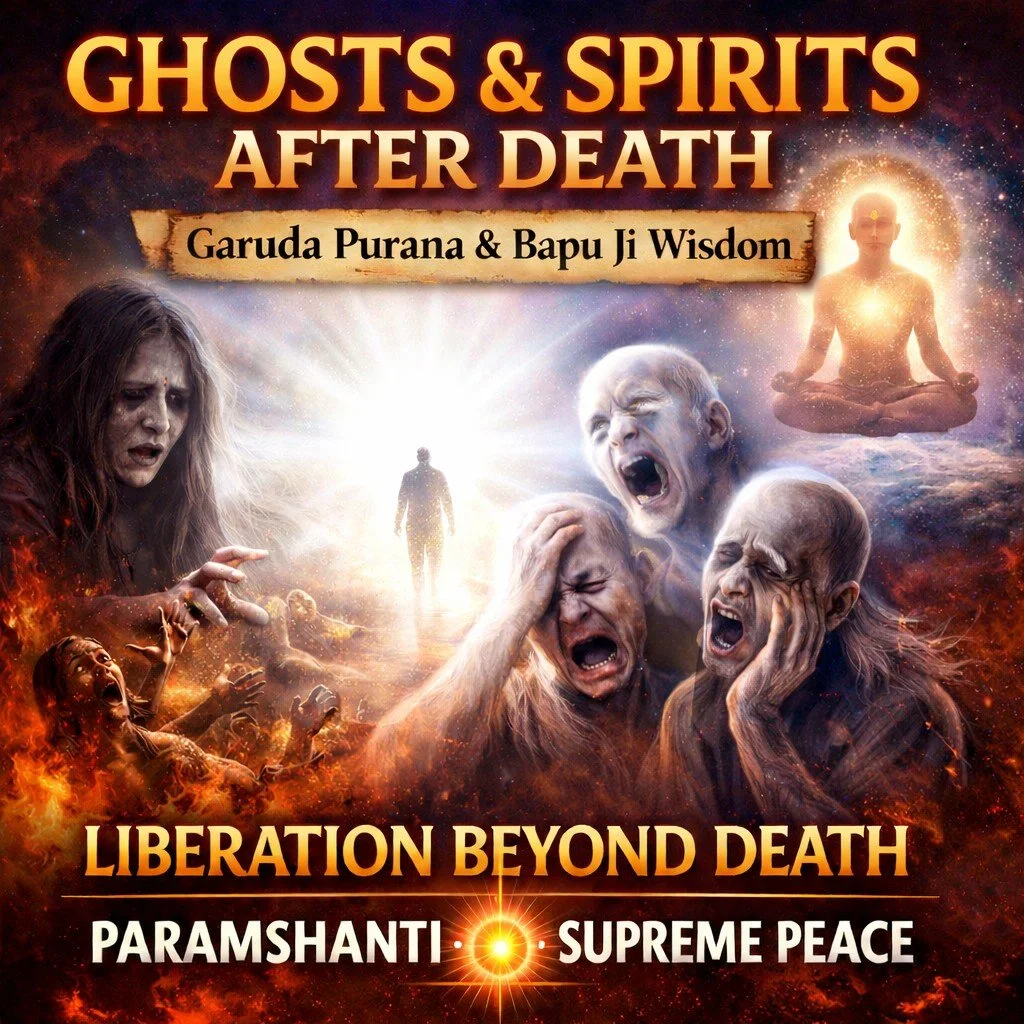
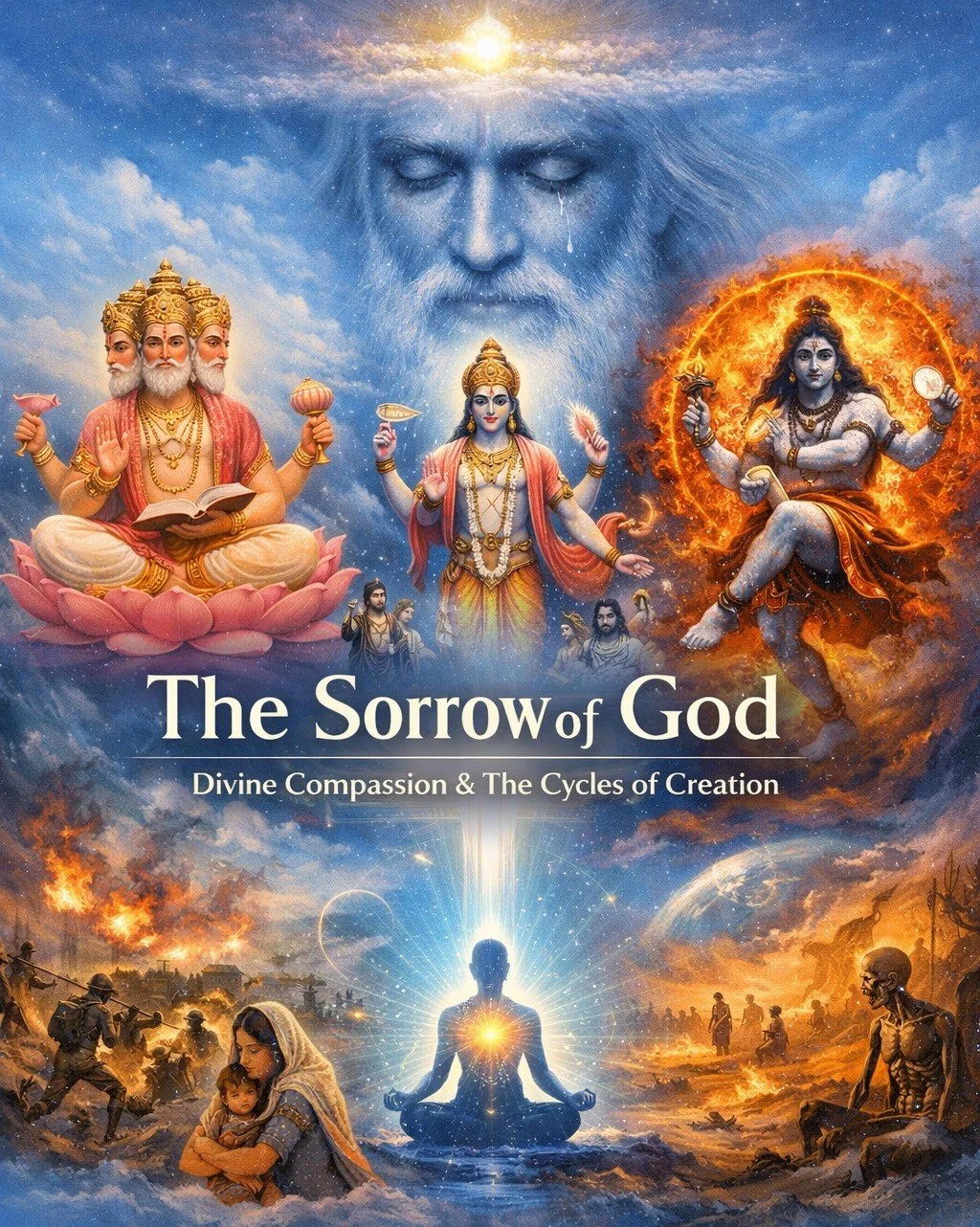

Explore the deep spiritual cosmology of planetary souls, alien interference, karmic zones, and cosmic wars based on Bapuji Dasharathbhai Patel’s knowledge. Understand how Paramshanti (supreme peace) can restore universal balance and protect human consciousness from artificial and dark energies.